


We acknowledge that our company is based on the traditional, ancestral and unceded territories of the Coast Salish Nations — xʷməθkʷəy̓əm (Musqueam), Sḵwx̱wú7mesh (Squamish) and səlil̓ilw̓ətaʔɬ (Tsleil-Waututh).


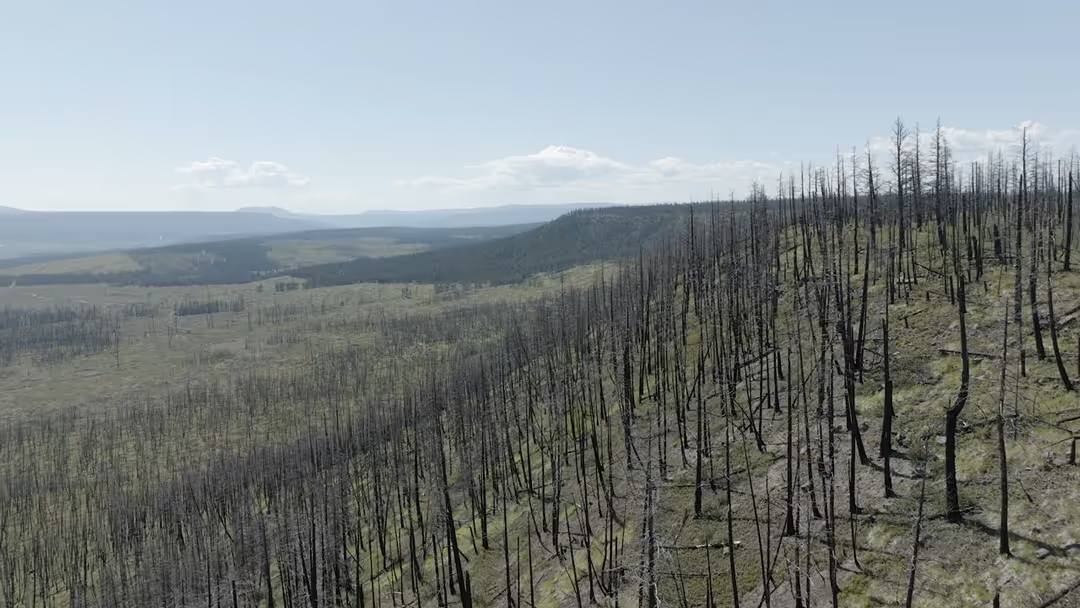
As wildfires become more frequent and intense due to climate change, post-wildfire restoration is increasingly crucial. It prevents soil erosion, restores habitats, and promotes biodiversity by replanting native species. Additionally, it improves water quality, supports local economies, and enhances resilience against future fires, benefiting both the environment and communities.


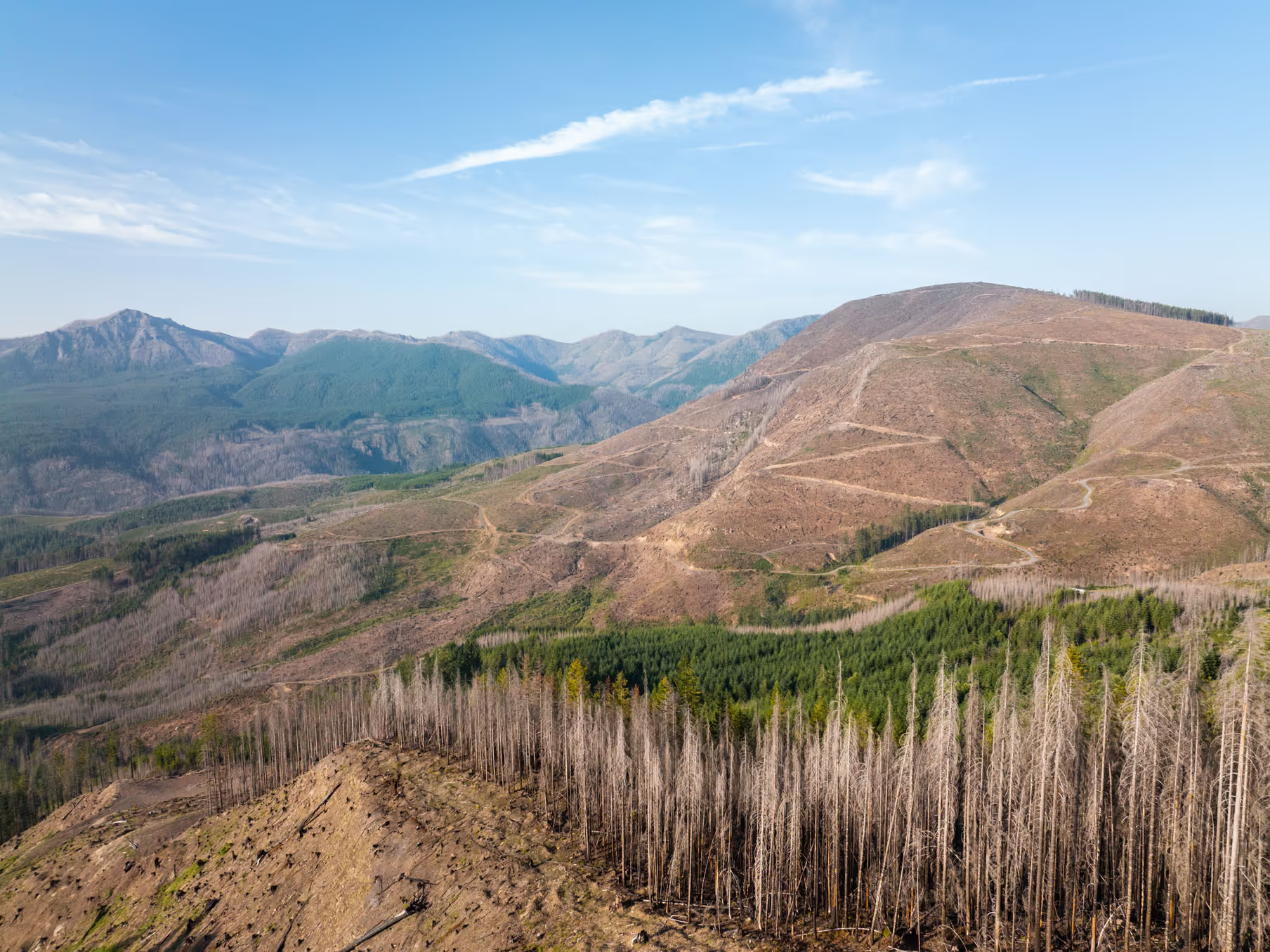
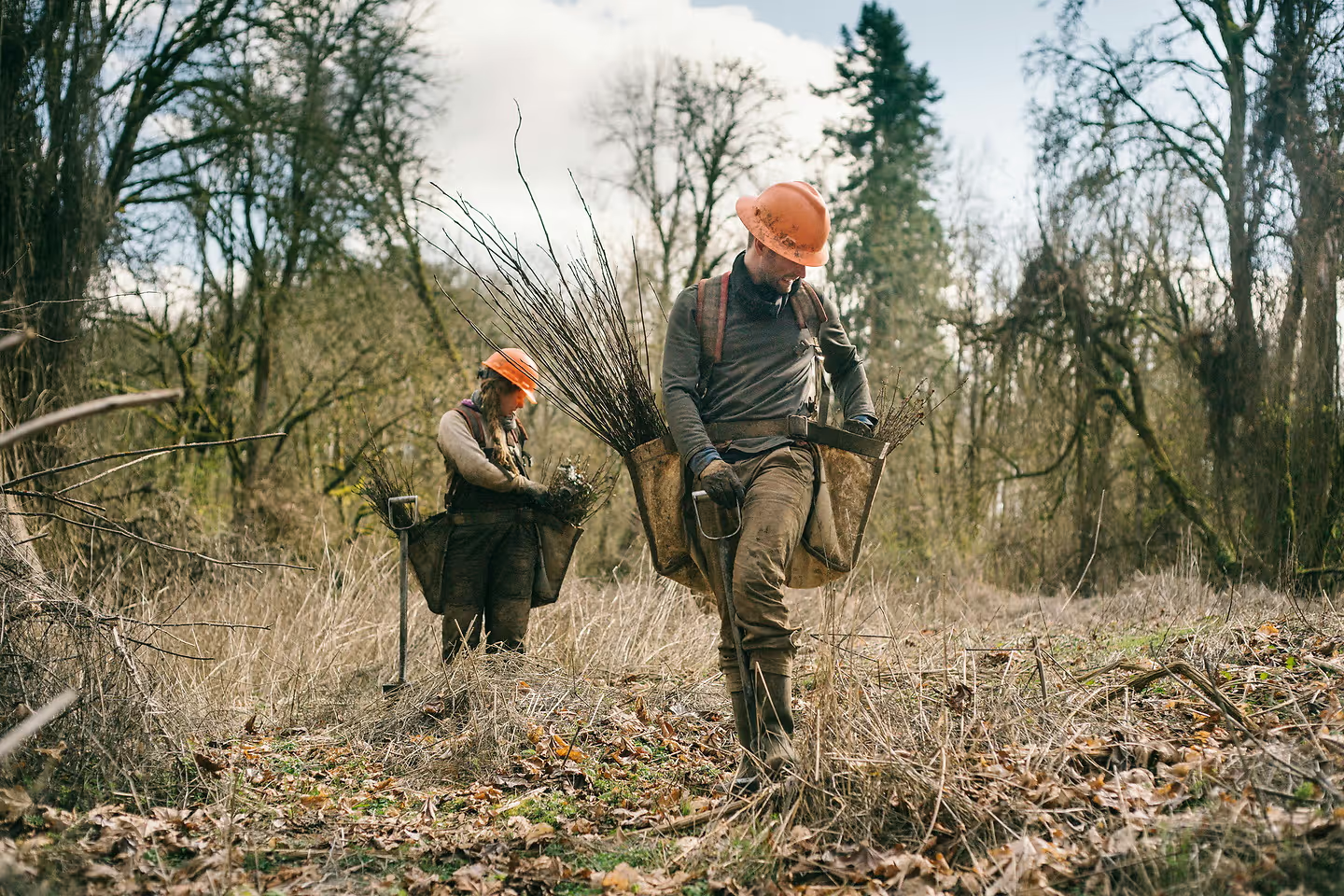
Wildfires are reshaping our landscapes at an alarming rate—burning millions of hectares across North America. As they threaten ecosystems, communities, and clean water, restoring forests after wildfires is vital to help nature recover and build resilience for the future.
Restoring wildfire-affected areas by planting native species to rejuvenate the soil and revive the ecosystem in B.C.

Reforesting areas of Florida to restore the native longleaf pine ecosystem, enhance resilience against climate change and support rare species.
